
Siding Repair vs Replacement
Understanding the Difference Before You Commit
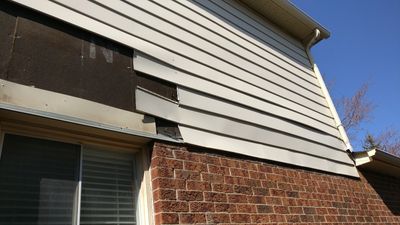
Homeowners often ask whether damaged or aging siding should be repaired or fully replaced. The correct answer depends on several factors, including the condition of the existing siding, the age of the exterior system, and whether the underlying wall assembly is still performing as intended.
This page explains how to evaluate both options so decisions are based on long-term performance, not just short-term cost.
Repair Scenarios

Understanding the Difference Before You Commit
Siding repair can be a practical solution when damage is isolated and the rest of the siding system remains structurally sound. In these cases, repairs focus on restoring appearance and preventing further deterioration without disturbing the full exterior.
Repair is typically suitable when:
- Damage is limited to a small area
- The siding profile is still available or can be closely matched
- The wall beneath the siding is dry and stable
- The existing siding is relatively newer and properly installed
Repairs may include replacing individual panels, addressing minor impact damage, or correcting localized issues caused by weather or external contact.
Replacement Scenarios

When a Complete System Upgrade Makes More Sense
Full siding replacement is often the better long-term choice when multiple areas are affected, materials are no longer available, or the existing system no longer performs as intended. Replacement allows the entire exterior to be rebuilt as a consistent system rather than patched in sections.
Replacement is typically recommended when:
- Siding damage is widespread
- Panels are brittle, warped, or faded unevenly
- Matching materials are discontinued
- The wall assembly requires updated preparation or insulation
- Multiple repairs would be needed over a short period
Replacing the siding provides an opportunity to correct wall preparation, integrate proper weather barriers, and ensure consistent appearance across the entire home.
Partial Replacement
Upgrading Select Areas Without Doing the Entire Home
In some cases, partial siding upgrades provide a balanced solution. This may involve replacing one elevation, dormers, bay build-outs, or heavily exposed areas while leaving stable sections intact.
Partial upgrades require careful planning so transitions remain clean and the finished exterior looks intentional rather than patched. Material selection, profile alignment, and detailing are key to achieving a consistent result.
Experience Matters

Evaluating the Right Solution for Each Home
Every siding project referenced on this site is completed by Century Aluminum using in-house crews and consistent installation standards. With experience across full replacements, repairs, and partial upgrades, recommendations are based on what makes sense for the home—not a one-size-fits-all approach.
Next Steps
Decide With Confidence
If you’re unsure whether siding repair or full replacement is the right option, reviewing system condition, material availability, and long-term performance is the best place to start.
Explore installation options, review material systems, or reach out for guidance on how to approach your siding project.
- Siding Installation