
Partial Siding Upgrades
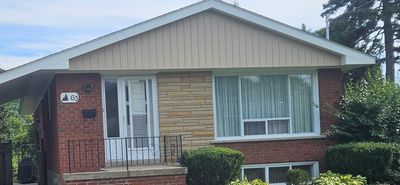
Targeted Exterior Improvements Without Full Replacement
Partial siding upgrades focus on improving specific sections of a home’s exterior rather than replacing all siding at once. This approach is commonly used when certain areas are worn, damaged, outdated, or affected by renovations while the remainder of the exterior remains in serviceable condition.
Rather than a one-size-fits-all solution, partial upgrades require careful planning, material compatibility checks, and system-based installation to ensure the finished result looks intentional and performs properly over time.
When done correctly, partial siding upgrades can extend the life of an exterior, improve curb appeal, and align with phased renovation plans.
When to Consider It

Improving Only the Areas That Need It
Partial siding upgrades are often a practical solution when a full exterior replacement is unnecessary or premature. This approach is typically considered when:
- Damage, wear, or moisture issues are isolated to specific sections
- Visual upgrades are focused on prominent or highly visible elevations
- Additions or renovations require new siding to integrate with existing materials
- Budget or project timing favors a phased exterior improvement plan
- The existing siding is still structurally sound and compatible
Each project is evaluated to ensure that upgrading only certain areas will not compromise wall performance, moisture control, or long-term durability.
Typical Sections

Where Partial Upgrades Are Most Common
Partial siding upgrades are most frequently completed in areas where wear, exposure, or design changes are concentrated. Common upgrade areas include:
- Front elevations and street-facing walls
- Sidewalls exposed to prevailing weather
- Gables and upper wall sections
- Entry features and architectural accents
- Home additions and extensions
Targeting these sections can significantly update the home’s appearance and functionality without the disruption of a full exterior replacement.
Material Compatibility

Blending New Siding with Existing Materials
Material compatibility is one of the most important considerations in a partial siding upgrade. New siding must align with existing profiles, exposures, textures, and proportions to avoid visible inconsistencies.
In some cases, homeowners choose to intentionally contrast materials—for example, adding an accent profile to a front elevation—rather than attempting a perfect match.
Century Aluminum works with all major siding suppliers to source matching or complementary profiles and colors whenever possible. This includes reviewing manufacturer availability, discontinued profiles, and special-order options to achieve the best visual result.
Compatible materials may include:
- Vinyl siding
- Aluminum siding
- Steel siding
- Architectural accent materials
Wall Preparation

Proper Preparation Is Still Required
Partial upgrades do not bypass proper wall preparation. Even when only upgrading specific sections, preparation is critical to ensure new siding performs correctly alongside existing materials.
Preparation typically includes:
- Surface inspection and necessary repairs
- Housewrap installation when insulation is not added
- Rigid insulation when improving wall performance
- Proper flashing and moisture detailing at transitions
These steps ensure the new siding integrates into the existing wall system rather than creating weak points.
Transitions
Clean Edges Between New and Existing Siding
One of the defining factors of a successful partial siding upgrade is how transitions are handled. Trim placement, termination points, and flashing details are designed to manage water, accommodate movement, and maintain a clean appearance.
Well-executed transitions help partial upgrades look intentional and integrated, rather than pieced together.
Installation
System-Based Installation Still Applies
Partial siding upgrades follow the same installation principles as full exterior replacements. Fastening methods, expansion allowances, and sequencing are maintained to protect long-term performance.
New siding must be installed in a way that respects the behavior of both new and existing materials, particularly where different products meet.
Installation standards are outlined on the Siding Installation page.