
How much does siding cost?
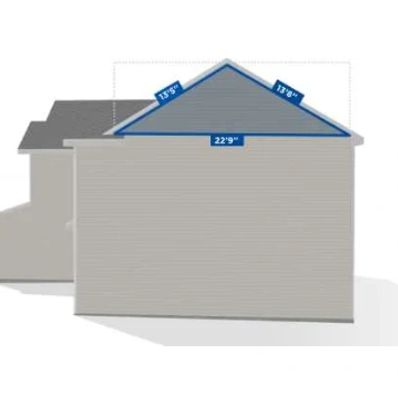
Understanding What Goes Into Siding Pricing
Siding cost is influenced by far more than the price of the siding material itself. Exterior siding pricing reflects a combination of material selection, wall condition, installation method, detailing requirements, and overall project complexity. Two homes with similar square footage can have significantly different siding costs depending on what is required behind the siding and how the exterior is constructed.
Factors such as wall preparation, insulation upgrades, access challenges, and architectural detailing all play a role in final pricing. Because siding is installed as a system rather than a surface-only product, accurate pricing requires understanding the entire exterior wall assembly.
This page explains the key elements that influence siding cost so homeowners can plan realistically and understand why estimates vary from one project to another.
Material Choice

Different Materials, Different Cost Ranges
Material selection is one of the most visible cost factors in a siding project, but it also affects installation time, system requirements, and long-term maintenance expectations. Each siding material has different physical properties that influence pricing beyond the panel itself.
Common siding material categories include:
- Vinyl siding — typically offers the widest range of profiles and colors with lower material costs and flexible installation options.
- Aluminum siding — a more rigid material with fewer color options, often requiring additional handling and preparation.
- Steel siding — heavier, highly rigid panels with premium finishes and increased installation precision.
- Architectural accent materials — such as wood-look aluminum, steel planks, or polymer panels, which are typically used selectively and priced higher per square foot.
Within each category, pricing varies based on panel thickness, finish quality, and availability. Material choice also influences accessory selection, trim detailing, and installation methods, all of which affect overall cost.
Project Scope

Full Homes vs Partial Upgrades
The scope of work has a direct impact on siding cost. Projects that appear smaller on the surface can sometimes require more labor per square foot than full siding replacements due to transitions, detailing, and integration with existing materials.
Project scope commonly includes:
- Full exterior siding replacement, where all walls are stripped and re-clad as a single system
- Partial siding upgrades, where new siding must tie into existing materials
- Dormers and bay build-outs, which often involve complex detailing and limited access
- Accent walls or architectural sections, typically requiring precise alignment and finishing
- Additions and renovations, where new and existing construction must integrate cleanly
Larger scopes typically benefit from system efficiencies, while smaller or selective upgrades often require more detailed labor, affecting overall pricing.
Wall Preparation

What’s Behind the Siding Matters
Wall preparation is one of the most significant and often underestimated cost factors in a siding project. The condition of the existing exterior directly affects how much preparation is required before new siding can be installed.
Preparation requirements may include:
- Layers of removal which on older homes it can be multiple
- Repairing damaged or deteriorated surfaces
- Removing or leveling uneven substrates
- Addressing previous installation issues
- Installing housewrap when no insulation is added
- Installing rigid insulation to improve wall performance
- Custom flashing such as window & door capping, roof flashing, drip caps, transitions, etc
Homes with older wood siding, previous aluminum installations, or irregular wall surfaces often require additional preparation to ensure the new siding installs flat and performs correctly. These steps are critical for long-term durability and directly influence labor and material costs.
Insulation Options
Optional Upgrades That Affect Pricing
Adding insulation behind siding is an optional upgrade that increases upfront cost but can improve comfort and wall performance. Insulation is installed as part of the siding system, not as an afterthought, and must be properly integrated with flashing and fastening details.
Cost factors related to insulation include:
- Insulation thickness and material type
- Wall structure and fastening requirements
- Taping and detailing for air and moisture control
- Integration with windows, doors, and trim
While insulation upgrades increase material and labor costs, they may reduce drafts and improve wall consistency when installed correctly.
More information on insulation options is available on the 1″ Silverboard (Plus Other Thicknesses) page.
Access & Complexity
Height, Layout, Tight Access and Exterior Details
Installation complexity often affects siding cost more than total square footage. Homes with challenging layouts require additional setup time, safety measures, and detailed workmanship.
Factors that increase installation complexity include:
- Multi-storey elevations
- Steep rooflines and overhangs
- Limited access areas
- Numerous windows, doors, and penetrations
- Architectural features requiring custom detailing
Each of these elements increases labor time and precision requirements, which directly impacts overall pricing.